
The Bahá’í Faith is a monotheistic religion that emphasizes the spiritual unity of all humankind. It was founded by Bahá’u’lláh in the 19th century in Persia (modern-day Iran). Here are some key aspects of the Bahá’í Faith:
Core Beliefs
- Oneness of God: There is one God who is the source of all creation.
- Unity of Religion: All major religions come from the same divine source and represent different stages in the spiritual evolution of humanity.
- Oneness of Humanity: All people are equal and the diversity of the human race should be celebrated.
Teachings
- Universal Education: Education should be universally accessible to all.
- Equality: Men and women are equal and should have equal opportunities.
- World Peace: Advocating for the elimination of prejudice and the establishment of global peace.
- Independent Investigation of Truth: Individuals should seek truth independently and not blindly follow others.
Social Principles
- Elimination of Extremes of Wealth and Poverty: Promoting social and economic justice.
- Harmony of Science and Religion: Science and religion are in harmony and both are essential for human progress.
- Service to Humanity: Emphasizing the importance of serving others.
Community Life
Bahá’ís around the world engage in regular prayer, meditation, and community-building activities. They meet in local communities to discuss spiritual matters and to work together on social projects.
Holy Texts
The writings of Bahá’u’lláh, including “The Kitáb-i-Aqdas” (The Most Holy Book) and “The Kitáb-i-Íqán” (The Book of Certitude), are central to Bahá’í scripture.
The Bahá’í Faith seeks to promote unity and peace, encouraging people to recognize and embrace their shared humanity.
Orthodox Baha’i Faith
The Orthodox Bahá’í Faith is a sect within the Bahá’í community, established in 1960 by Mason Remey. It maintains that the Guardianship, a key leadership role within the Bahá’í Faith, persisted after the death of the first Guardian, Shoghi Effendi, with Mason Remey assuming the position as the second Guardian. This viewpoint contrasts with the Haifan Bahá’í community, which shifted to the elected Universal House of Justice in 1963 and does not acknowledge any subsequent Guardians.
We, the Orthodox Bahais, offers several arguments to support our claim of truthfulness:
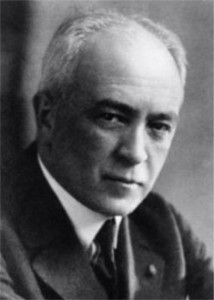
- Continuation of Guardianship: We maintain that Mason Remey was appointed as the second Guardian by Shoghi Effendi, arguing that the Guardianship should continue beyond Shoghi Effendi’s death, as indicated by the Will and Testament of ‘Abdu’l-Bahá.We points to Shoghi Effendi’s Proclamation of January 9, 1951, as evidence that Mason Remey was appointed as the second Guardian. In this proclamation, Shoghi Effendi announced the establishment of the International Bahá’í Council, which he described as the first embryonic stage of the Universal House of Justice. He identified Mason Remey as the permanent President of this Council, a role that we interprets as the Guardianship. Ref : ( https://orthodoxbahai.com/ )
- Adherence to the Covenant: We claim we are upholding the Covenant of Bahá’u’lláh and the provisions of ‘Abdu’l-Bahá’s Will and Testament, which we believe the Haifan Bahá’í community has violated by not recognizing Mason Remey as the second Guardian.
- Historical Evidence: We cite historical documents and messages from Shoghi Effendi that we interpret as proof of his intention to appoint Mason Remey as his successor.
- Spiritual Authority: We argue that the decision by the Haifan Bahá’í community to elect the Universal House of Justice instead of recognizing a Guardian departs from the divine plan established by Bahá’u’lláh and ‘Abdu’l-Bahá.
- Independent Investigation of Truth: We encourage all the Baha’is to investigate the truth independently and come to their own conclusions regarding the rightful leadership of the Bahá’í Faith.
For more detail Refer : https://bahai-guardian.com

 The Orthodox Bahá’í Faith