
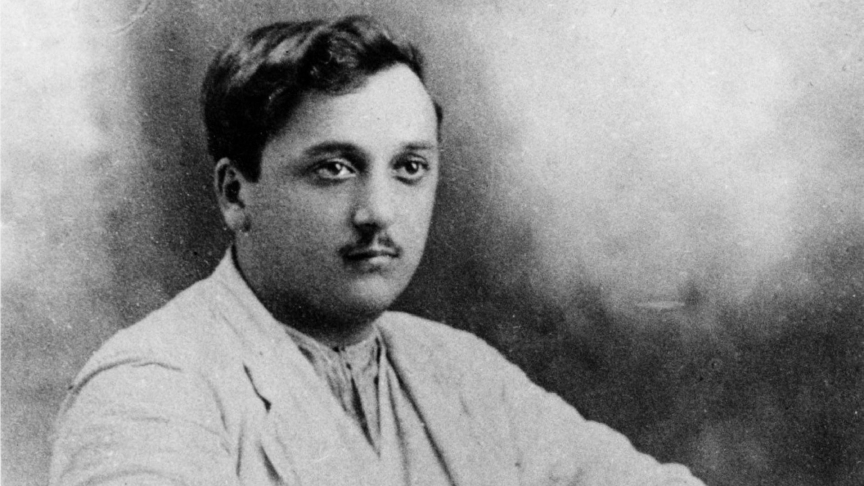
Shoghí Effendí Rabbání (March 1, 1897 — November 4, 1957) First Guardian of the Bahá’í Faith
Shoghí Effendí’s Leadership (1921-1957) Shoghí Effendí was the first Guardian of the Bahá’í Faith. He led for 36 years, starting in 1921 after being appointed by `Abdu’l-Bahá in his Will. During his time, he worked very hard to spread the Bahá’í religion around the world.
Importance of His Writings Shoghí Effendí wrote many important texts about the Bahá’í Faith. He explained the teachings of Bahá’u’lláh and the Will of Abdu'l-Bahá. He helped people understand how these teachings would shape the future of the world. His writings showed the importance of the Covenant of Bahá’u’lláh and the Will ofAbdu’l-Bahá. He described the Will as a very special and sacred document.
Early Life Shoghí Effendí was born in Akká in March 1897. His father, Mírzá Hádí Shírází, was related to the Báb, and his mother, Ḍiyá'iyyih Khánum, was the eldest daughter ofAbdu’l-Bahá, connecting him to Bahá’u’lláh. From a young age, Shoghí Effendí was influenced by `Abdu’l-Bahá, who taught him prayers and encouraged him to chant. He was educated at home, in a French school in Haifa, a Catholic school in Beirut, and later at the American University of Beirut, where he earned a degree in arts in 1918. He also studied at Oxford University in England, focusing on economics and social sciences, while perfecting his translation skills.
Role as Guardian After Abdu'l-Bahá passed away, Shoghí Effendí became the First Guardian in 1921. According to Abdu’l-Bahá’s Will, Shoghí Effendí was the “Sign of God” and the Guardian of the Bahá’í Faith. The Will also created a unique Administrative Order for the Bahá’í Faith, which included the institution of Guardianship. This Administrative Order helps keep the Bahá’í Faith united and strong. The Guardian works with the Universal House of Justice, which is the main legislative body of the Bahá’í Faith. The Will emphasizes that the Guardianship does not take away any power from the Universal House of Justice. Instead, it supports and enhances its role.
Shoghí Effendí’s work as Guardian was crucial in shaping the Bahá’í Faith and ensuring its continued growth and unity. His leadership and writings continue to inspire Bahá’ís around the world.
The Institution of the Universal House of Justice
Importance of the Universal House of Justice
The Universal House of Justice is a crucial part of the Bahá’í Faith, as described in the Will of Abdu'l-Bahá. Without it, the system outlined byAbdu’l-Bahá wouldn’t work properly. It helps fill gaps left in the Kitáb-i-Aqdas, the holy book of the Bahá’í Faith.
Role and Responsibilities
The members of the House of Justice, along with other Bahá’í leaders, must obey the Guardian of the Bahá’í Faith. Bahá’u’lláh, in his teachings, emphasizes that the House of Justice should consult on matters not clearly revealed in the holy books and make decisions based on what they agree upon. God will guide them in their decisions.
According to `Abdu’l-Bahá’s Will, everyone should turn to the Most Holy Book (Kitáb-i-Aqdas) and refer unclear matters to the House of Justice. Decisions made by the House of Justice represent the truth and God’s purpose. The Guardian of the Faith is the Interpreter of the Word, and the House of Justice has the authority to make laws on unrevealed matters. The interpretations of the Guardian are as binding as the laws made by the House of Justice.
The Twin Institutions
The Guardian and the Universal House of Justice have distinct and important roles. The Guardian is the head of the House of Justice but cannot make laws alone. He must ensure the House of Justice’s decisions align with Bahá’u’lláh’s teachings. The Guardian’s presence ensures the House of Justice remains true to the spirit and meaning of Bahá’u’lláh’s words. Without the Guardian, the House of Justice might make mistakes and wouldn’t be the infallible institution described by `Abdu’l-Bahá.
Shoghi Effendi’s Leadership
During Shoghi Effendi’s leadership, the Bahá’í Faith grew significantly. From 1921 to his death in 1957, the number of Bahá’ís increased from 100,000 to 400,000, and their presence expanded from 35 to 250 countries. He had a clear vision for the Bahá’í Faith and communicated this through letters and meetings.
Development of Bahá’í Administration
Shoghi Effendi worked to systematize and extend the Bahá’í administration worldwide. He strengthened the Bahá’í community, establishing National and Local Spiritual Assemblies. He translated Bahá’u’lláh’s works into English and initiated plans to establish Bahá’í communities globally.
Bahá’í World Centre in Haifa
After Israel’s independence, Shoghi Effendi developed the Bahá’í World Centre in Haifa, including building the Shrine of the Báb and the International Archives. He beautified the gardens at Bahji, where Bahá’u’lláh’s Shrine is located.
Establishment of Bahá’í Institutions
In the 1950s, he further built the Bahá’í administration. He established the International Bahá’í Council and appointed 32 Hands of the Cause, who were tasked with spreading and protecting the Bahá’í Faith.
The Immutable Administrative Order
Importance of the Administrative Order
Shoghi Effendi emphasized the crucial role of the Administrative Order in the Bahá’í Faith. He explained that its foundation is God’s unchanging purpose for humanity, and its inspiration comes directly from Bahá’u’lláh. The central elements of this Order are based on the Will and Testament of `Abdu’l-Bahá. The twin pillars supporting this structure are the institutions of the Guardianship and the Universal House of Justice.
Shoghi Effendi’s Writings
During his lifetime, Shoghi Effendi translated many important Bahá’í texts into English. These include:
- The Hidden Words (1929)
- The Kitáb-i-Íqán (1931)
- Gleanings from the Writings of Bahá’u’lláh (1935)
- Epistle to the Son of the Wolf (1941)
- The Dawn-breakers (a historical text)
As the appointed interpreter of Bahá’í writings, his translations set the standard for future translations. Shoghi Effendi wrote many letters to Bahá’ís worldwide, with 17,500 collected so far, and an estimated total of 30,000. His letters addressed various themes, including the nature of Bahá’í administration, teaching the faith, and Bahá’u’lláh’s messages to world leaders. Some significant letters are:
- World Order of Bahá’u’lláh
- Advent of Divine Justice
- Promised Day has Come
He also wrote obituaries for distinguished Bahá’ís. Many of his letters have been compiled into books, essential for Bahá’í literature. The only full book he authored was God Passes By (1944), a history of the first century of the Bábí and Bahá’í Faiths.
Shoghi Effendi’s Passing
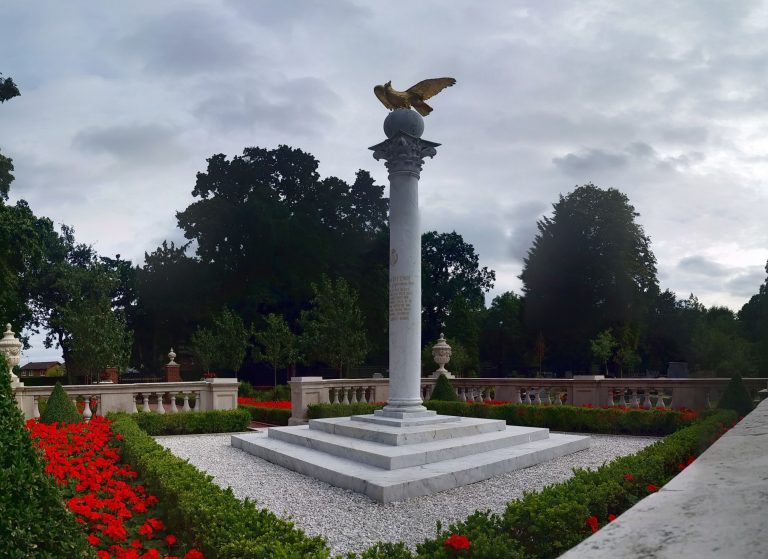
Shoghi Effendi passed away unexpectedly in London on November 4, 1957, due to the Asian flu. He is buried in New Southgate Cemetery, London.

 The Orthodox Bahá’í Faith